


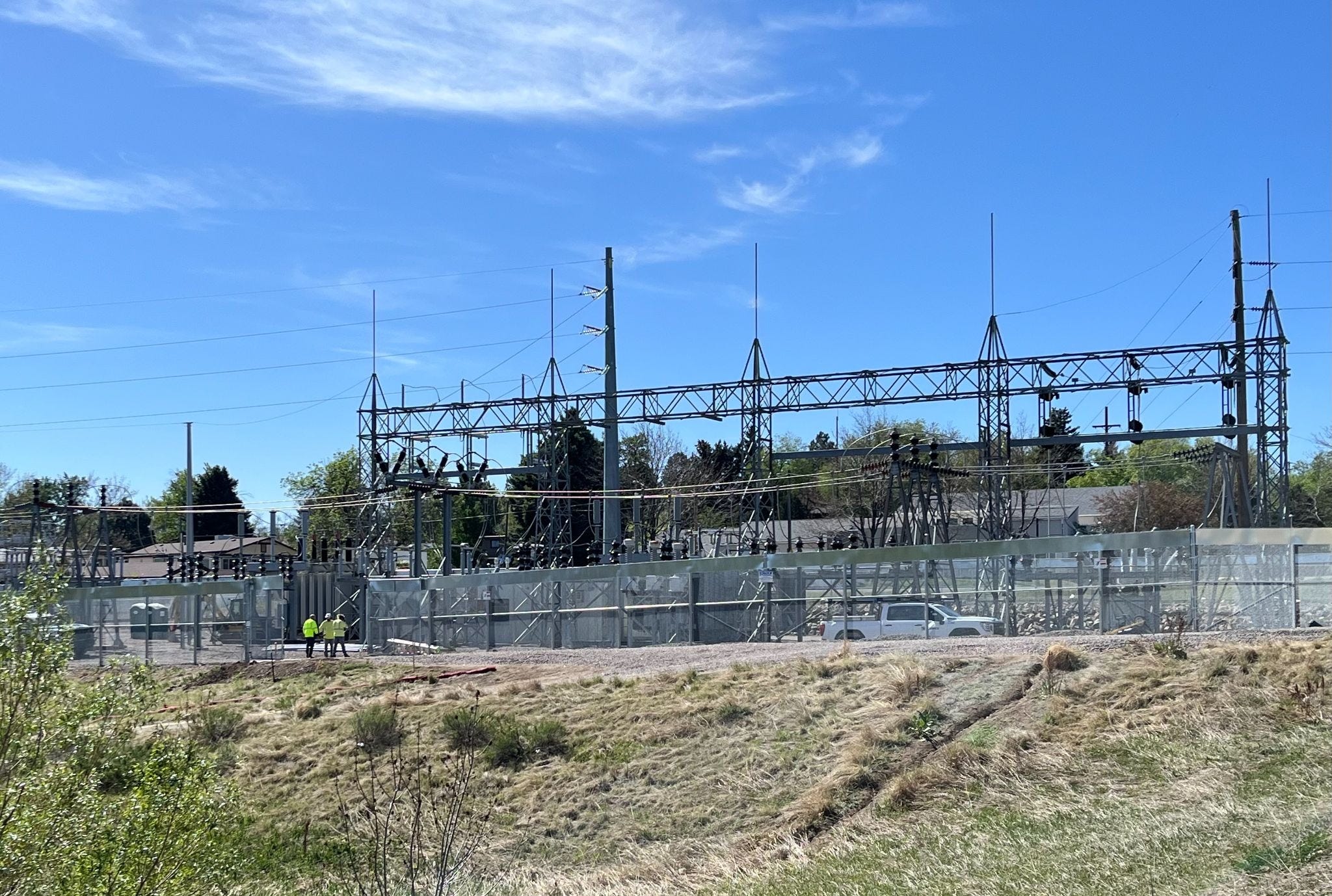
Colorado’s state utilities regulator won’t be able to force companies like Xcel Energy to fund infrastructure improvements by raising money from investors rather than consumers.
Lawmakers dropped a proposal from a bill they are working on to reauthorize the Public Utilities Commission, known as the PUC, which sets rules for power, telecommunications, transportation and other companies that we all use every day.
The proposal would have allowed the PUC to require companies like Xcel to raise money from investors through sales of bonds that the utility would later pay back, plus interest. As it stands, the PUC can recommend that process, known as “securitization,” but companies can ignore the commission and try to pass costs onto consumers in the form of higher rates instead.
Consumer advocates say securitization keeps costs down for consumers, while utilities argue it cuts into their profits.
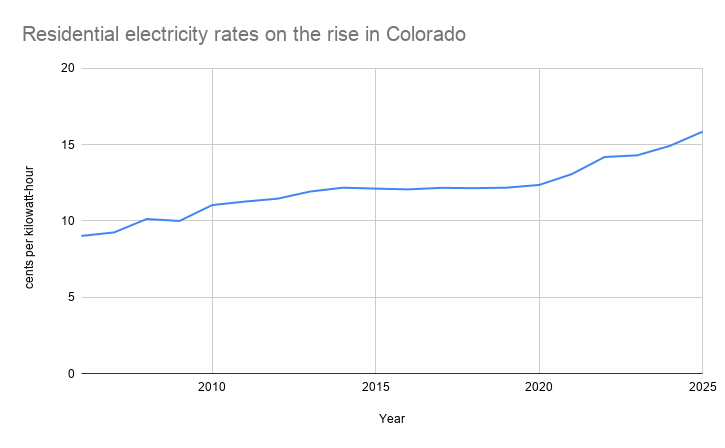
Xcel is currently asking the PUC to approve a new electricity rate increase that would add about 10% to Colorado consumers’ bills. That hike would amount to a 33% increase since 2023. The company says the increases are needed to pay for infrastructure improvements, wildfire mitigation and cleaner energy generation.
Need to Know
💰 Gov. Jared Polis signed the state’s budget for the next fiscal year on Friday. The budget makes big cuts to healthcare assistance in order to comply with the state constitution’s limits on taxes and government spending. Many other programs also saw cuts, though education funding was largely spared. (Colorado Newsline, Colorado Politics, previous newsletters: April 2, April 7, April 10, April 23)
🏥 Big businesses won’t have to pay more to support Colorado workers’ healthcare aid after lawmakers shot down a bill that opponents argued could push companies to avoid hiring workers who need healthcare assistance. Others said it could violate the state constitution’s tax restrictions. The bill would have made companies with more than 500 employees pay $2,300 per year (roughly half the average cost of Medicaid) for each employee working more than 20 hours a week who uses state healthcare assistance. (Sum & Substance, March 26 newsletter, read the bill)
🖥️ New data center regulations have proven difficult to move forward in the state legislature due to strong disagreements between pro-business and pro-environment camps. A bill that would have offered tax incentives to attract data center development died last week even though supporters added provisions aimed at addressing environmental and consumer concerns. A separate bill focused on establishing environmental guardrails for data centers is still in the works, and it could be amended to include more incentives to lure data center construction, but it has a short window to pass before the legislative session ends this week. (Colorado Sun, Sum & Substance, March 27 newsletter, read the bill)
Feedback, tips or questions? Reply to this email or send a WhatsApp, Signal or text message to 720-355-1474.
Something Good
🤠 Over the weekend I went to the Buffalo Bill museum and grave in Golden and found it way more interesting than I thought it would be. Two things struck me: One was the relatively progressive values held by one of the most legendary figures of the American West. (Bill’s dad was stabbed for speaking out against slavery, and Bill himself publicly backed women’s right to vote and equal pay – though he had a complicated relationship with Native Americans.) I also found it interesting that near the end of his career, Buffalo Bill’s “Wild West” shows paired up with Pawnee Bill’s “Far East” shows to create a “congress of rough riders of the world.” It seems like Buffalo Bill almost did too good a job of bringing his showcase of the American West to the global public. After a couple decades, the mythical image he helped create was no longer exotic enough to draw audiences on its own.