


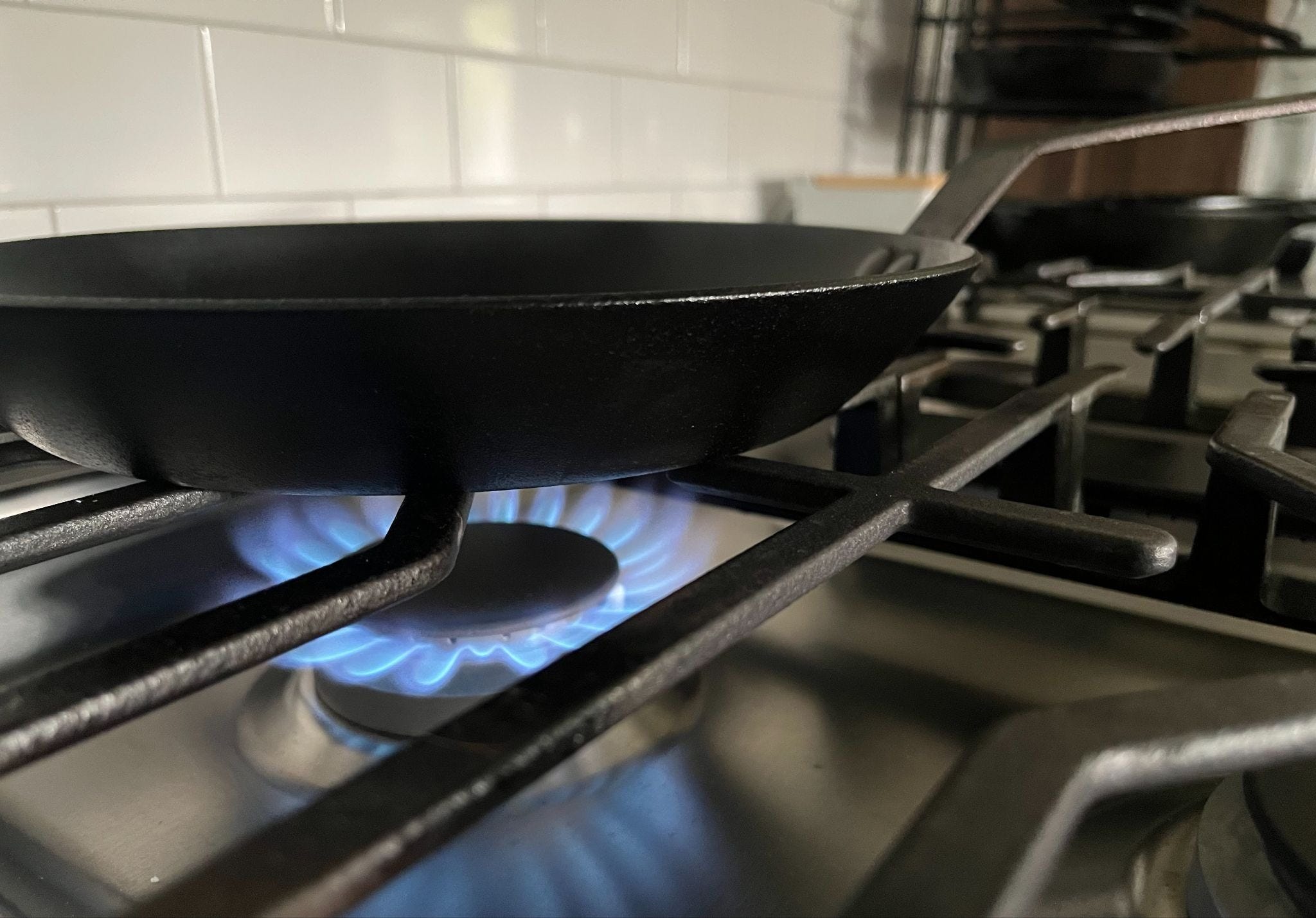
Colorado voters will decide in a few weeks whether to add a right to buy and sell natural gas to the state constitution, raising questions about the potential impacts of the vaguely-worded ballot measure.
The proposal, known as Amendment 82, would add two sentences to the state constitution:
“Consumers have the right to purchase natural gas for cooking or heating in homes or businesses throughout the state,” and “distributors and utilities have the right to sell natural gas for homes or businesses.”
The proposed constitutional amendment is one of several initiatives that conservative activist networks organized to place on this year’s ballot. The groups behind the measure, Brighter Colorado and Advance Colorado, did not respond to requests for comment.
A coalition of environmental and progressive advocacy groups called No Pollution in the Constitution opposes the measure.
“This is not about consumer benefit,” Katie Farnan, an opposition campaign spokesperson, told The Blanket. “What it’s actually about is whether you agree that one corporate interest should be able to have special rights in our constitution.”
What’s the point of Amendment 82?
Ostensibly, Amendment 82 is meant to protect Colorado consumers and businesses from the state’s efforts to phase out natural gas in the coming decades as it moves away from fossil fuels in favor of renewable energy sources.
Natural gas, which is mostly methane, is currently legal and widely available. There were roughly 2 million residential natural gas consumers in Colorado in 2024, according to the U.S. Energy Information Administration – about one-third of the state’s population.
Residential usage accounts for about 31% of natural gas consumption in Colorado, while electricity generation accounts for about 34%, and industrial and commercial use accounts for about 36%, according to the EIA.
Natural gas is a significant contributor to climate change and state government programs have encouraged switching away from household appliances that use it. Some cities including Denver and Crested Butte have restricted gas appliances in certain buildings.
As more people switch to electric appliances, natural gas providers could lose customers, meaning the cost of supplying gas would be spread across fewer buyers, potentially increasing their bills.
But Amendment 82 doesn’t necessarily control prices, which are regulated by the state’s Public Utilities Commission, known as the PUC. And it doesn’t include any specific protections for consumers or businesses.
What are the concerns about Amendment 82?
Opponents say putting the right to buy and sell natural gas in Colorado’s constitution could invite wide-ranging interpretations, especially because the proposed amendment is so vague.
Other states have enacted proposals aimed at protecting natural gas users but none have added them to their constitution.
The main concern is that the measure could provide a basis for challenging state and local policies tied to climate goals.
“This constitutional change is basically this one size fits all mandate that supersedes that kind of local authority,” Farnan said. “It is intentionally misleading and will handcuff Colorado’s ability to hold corporate polluters accountable, because it basically gives them a new legal tool.”
Producers and consumers might argue also that the amendment requires the state to subsidize natural gas or otherwise intervene in the market.
Moreover, some political observers say the proposed amendment could set off a back-and-forth fight to decide energy policy at the ballot box, with various interest groups asking voters complicated regulatory questions that might be better handled by lawmakers and regulators with help from experts.
“I think that that is something for voters to consider, given that we are trying to move forward in this state and figure out ways to work together to meet the needs of all Coloradans,” Farnan said.

NEED TO KNOW
🧐 Colorado’s open-meetings law could adopt further reforms to improve government transparency, according to the state’s leading open-government group. The Colorado Freedom of Information Coalition is calling for several changes, including mandatory online posting of meeting notices and other information, livestreaming of public meetings, and letting people record meetings themselves. (Colorado Freedom of Information Coalition / Jeffrey A. Roberts)
🏢 Two advocacy groups are suing in federal court over plans to reopen a prison in Hudson as Colorado’s second ICE detention center. The groups claim the Department of Homeland Security violated federal environmental law by failing to study potential environmental impacts of the project. The case is separate from a state-court lawsuit seeking to force the town to enforce zoning requirements on the facility. (Colorado Newsline / Sara Wilson, read more about the Hudson facility)
💸 Individual health-insurance premiums in Colorado are expected to rise an average of 10% in 2027. State and federal subsidies could offset some of the increased costs for lower-income people. (Colorado Sun / John Ingold)
🏳️⚧️ The Trump administration’s threats against doctors have disrupted gender-affirming care for trans kids in Colorado. But the legal fight isn’t over. I explain more in this video report:
FOLLOWING UP
📊 In last week’s newsletter, I mentioned new forecasts related to Medicaid costs in Colorado. After that edition was published, further details came out about the possibility of another $1 billion-plus state budget shortfall next year. I dug into what’s behind the latest estimates and what it means for taxpayers: