


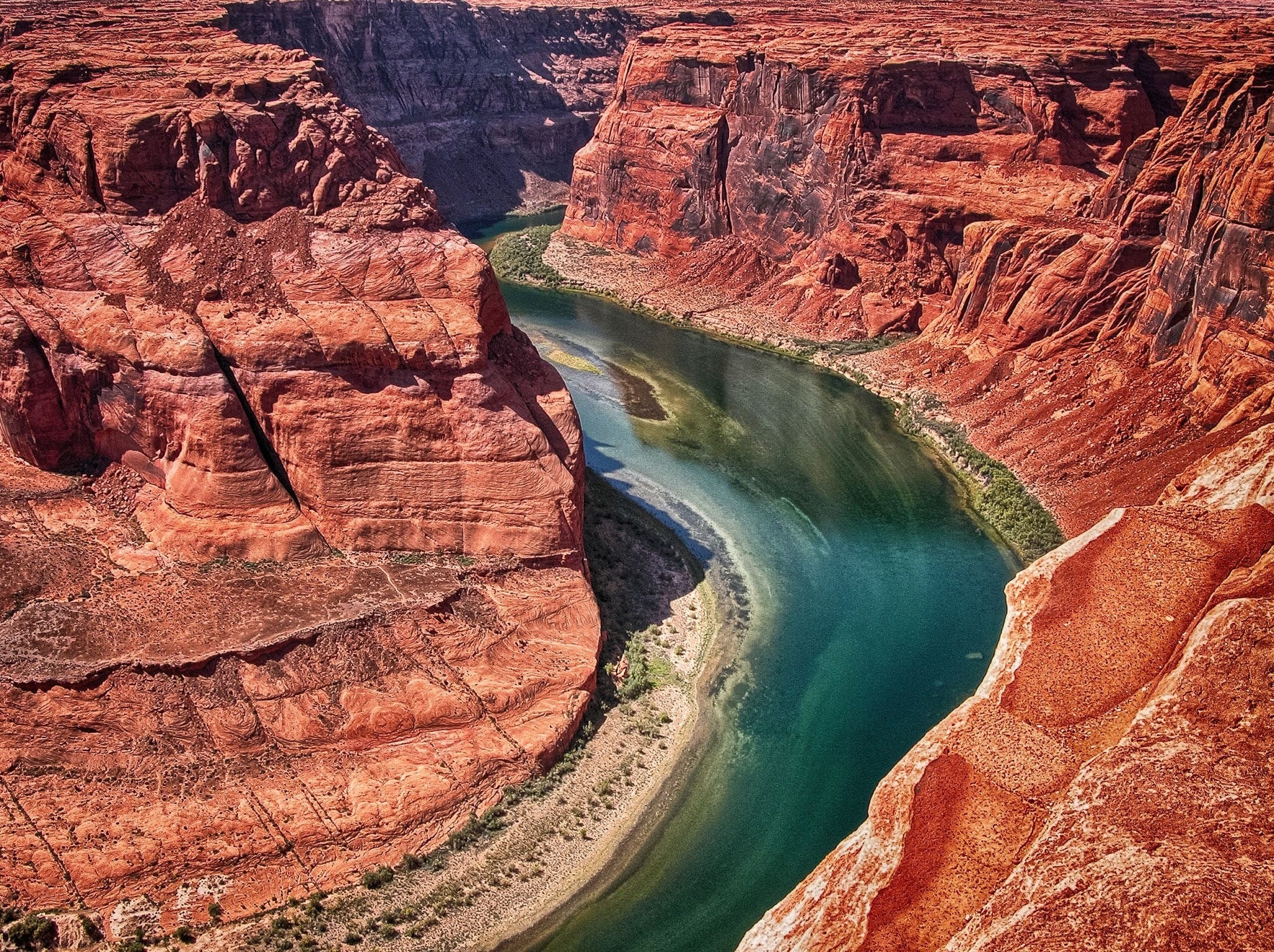
Federal authorities are preparing to step in and decide how to deal with shrinking flows in the Colorado River, as the seven states that rely on its water have failed to agree to a solution.
This year’s record-dry winter has put pressure on water managers to find solutions to stabilize the water supply for some 40 million people in the Southwest. But the so-called Upper Basin states — Colorado, Wyoming, Utah and New Mexico, where most of the river’s water originates – haven’t been able to reach a deal with the so-called Lower Basin states that use most of the water — California, Nevada and Arizona.
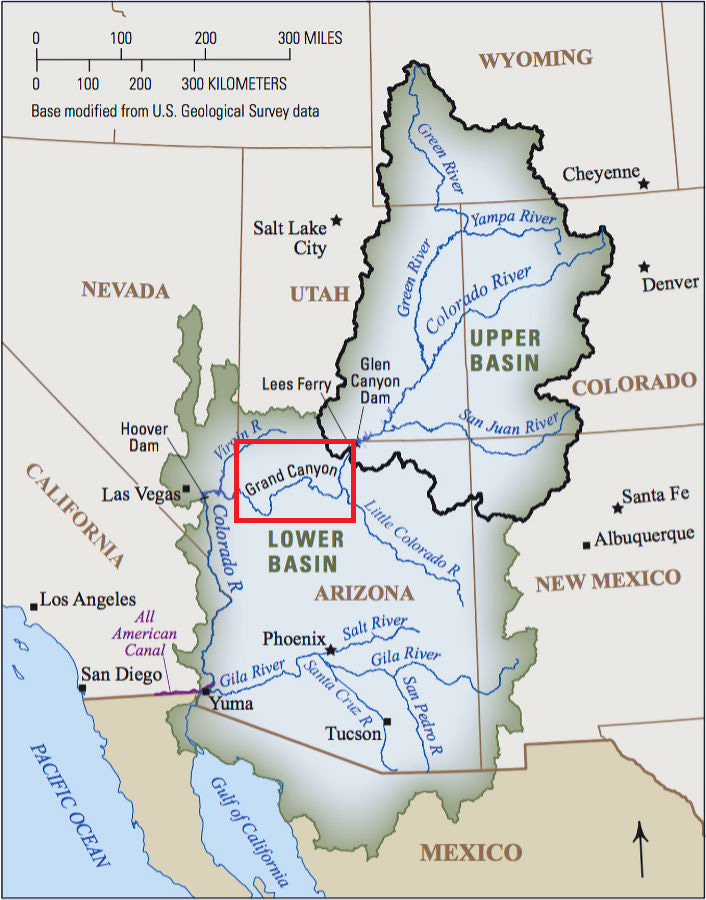
So now, the U.S. Bureau of Reclamation is moving toward imposing its own management plan this summer. Reports suggest the feds will release additional water from an upstream reservoir at Flaming Gorge in northern Utah to maintain water levels at southern Utah’s Lake Powell reservoir, so it can continue to produce hydropower.
But keeping more water in Lake Powell could have downstream impacts like affecting hydropower generation at the Hoover Dam on Lake Mead in Nevada. It could also reduce recreation opportunities and damage ecosystems.
What’s more, federal action might spark lawsuits that could turn water management into a complicated court battle that would further complicate efforts to find a solution for a drying river basin that’s only expected to get drier going forward.
Need to Know
📜 Worker protections and data center regulations attracted the most lobbying during this year’s state legislative session, according to an Axios analysis. Lobbyists spent the most time trying to influence lawmakers regarding bills to adopt stricter workplace safety standards, protect workers from extreme temperatures, and make it easier to form unions. They also lobbied hard on a bill to give tens of millions of dollars in tax breaks for data centers, as well as a competing proposal to make data centers adhere to environmental and other standards. (Axios)
🔆 Installing small solar power kits to reduce residential electricity costs would get easier for Coloradans under a recently passed bill Gov. Jared Polis is expected to sign. So-called “balcony solar” kits usually cost under $2,000, compared to tens of thousands of dollars for a full rooftop system. The bill would prevent “unreasonable” conditions on installing the kits, while also including safety requirements and allowing landlords to limit the size and location of the panels. (Colorado Sun, read the bill)
💨 Marijuana safety testing and tax rules could change under a bill currently being considered by lawmakers. The bill would ask voters to decide whether state health authorities, rather than private companies, should test marijuana products to ensure they’re safe to consume. It would also shift the tax regime so more revenue comes from products sold in dispensaries rather than at intermediate manufacturing stages. (Colorado Politics, read the proposal)
Feedback, tips or questions? Reply to this email or send a WhatsApp, Signal or text message to 720-355-1474.
Something Good
🦢 I went for a run yesterday at Sloan’s Lake Park on the west edge of Denver. The trail around the lake is almost exactly 3 miles, and it’s pretty much totally flat, which makes it a great place to do timed interval workouts. Also, you get amazing views of the mountains from the east side of the lake and a great view of the Denver skyline from the west side.